

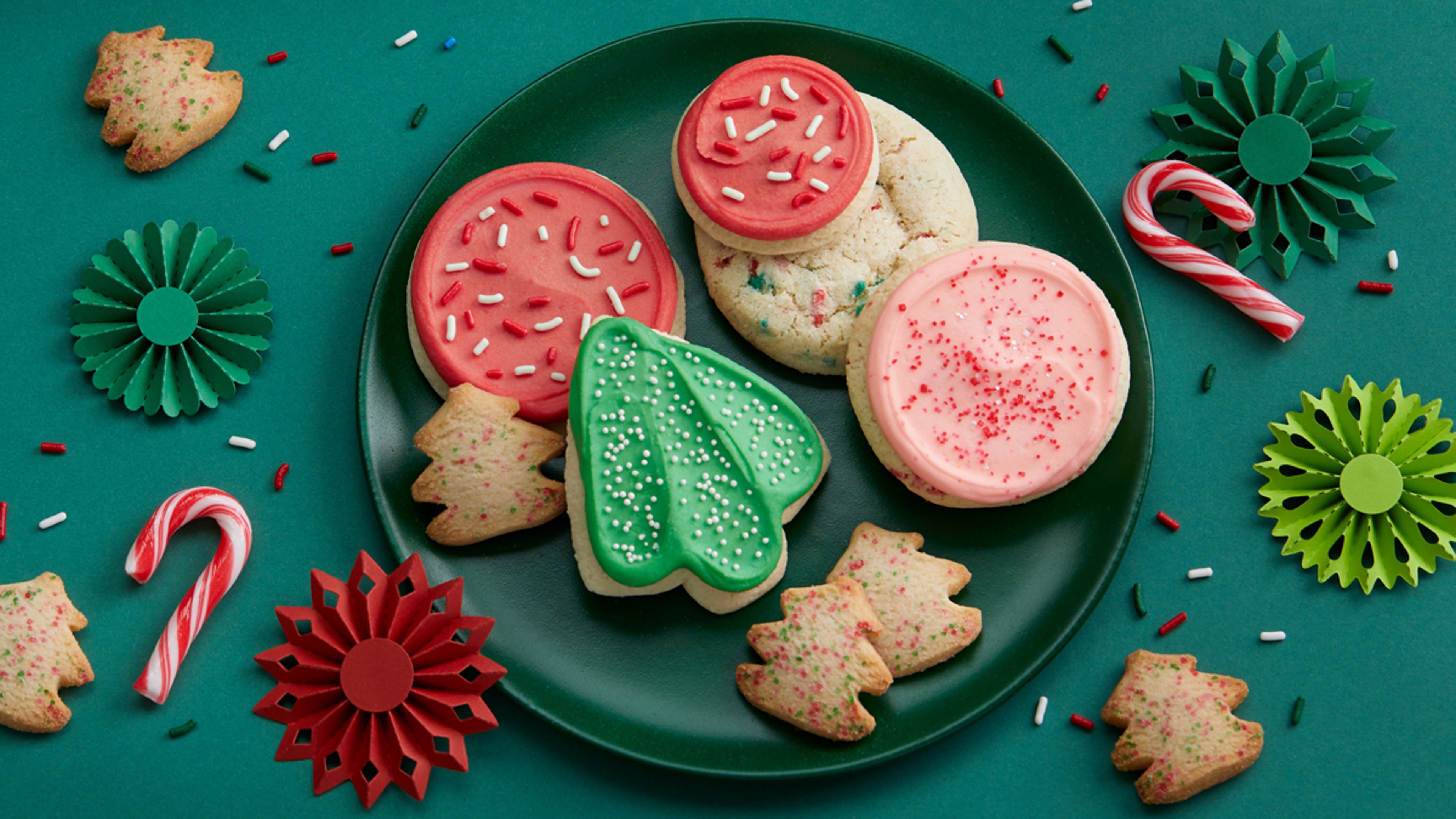
The History of Christmas Cookies: 5 Facts and Traditions
The custom of making and eating these seasonal treats goes back centuries.
Published: Dec 04, 2025 | Modified: Sep 23, 2026
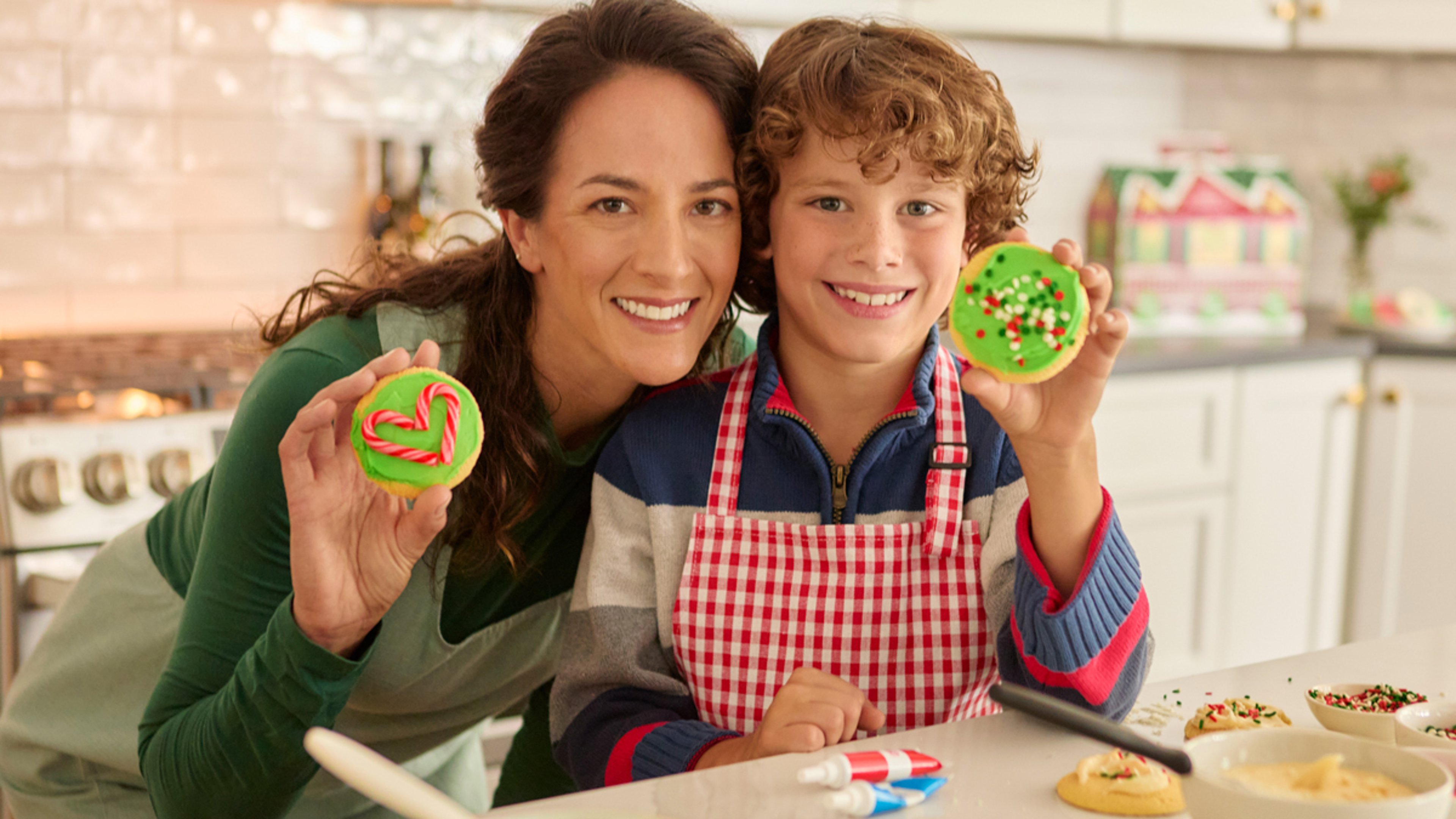
Christmas cookies date back to medieval Europe, when newly available spices such as nutmeg, cinnamon, and ginger were combined with costly butter and sugar for once-a-year holiday baking. Since then baking, decorating, and eating cookies have become part of celebrations for many families. From cookie swaps to holiday baking, here are the sweet origins of five Christmas cookie traditions.
Why spices started the Christmas cookie tradition
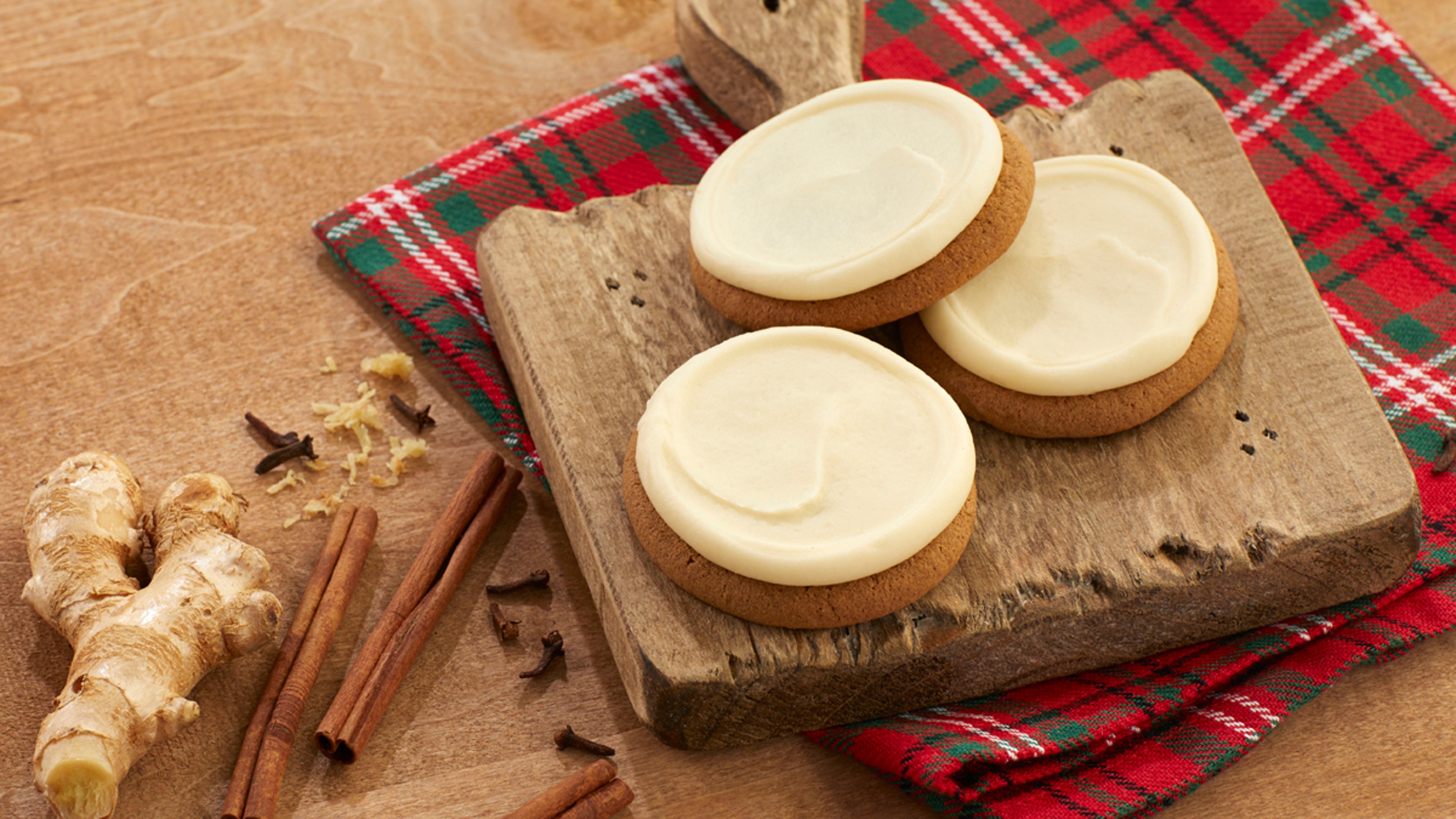
When aromatics such as nutmeg, cinnamon, and ginger became more widely available in Europe in the Middle Ages, people hit upon the bright idea of combining them with butter and sugar to create cookies. Because the ingredients were costly, however, these cookies were typically made just once a year, at Christmas. Bakers still include nutmeg and molasses in holiday desserts, especially gingerbread cookies, one of the most popular seasonal treats.
The origin of the Christmas cookie cutter
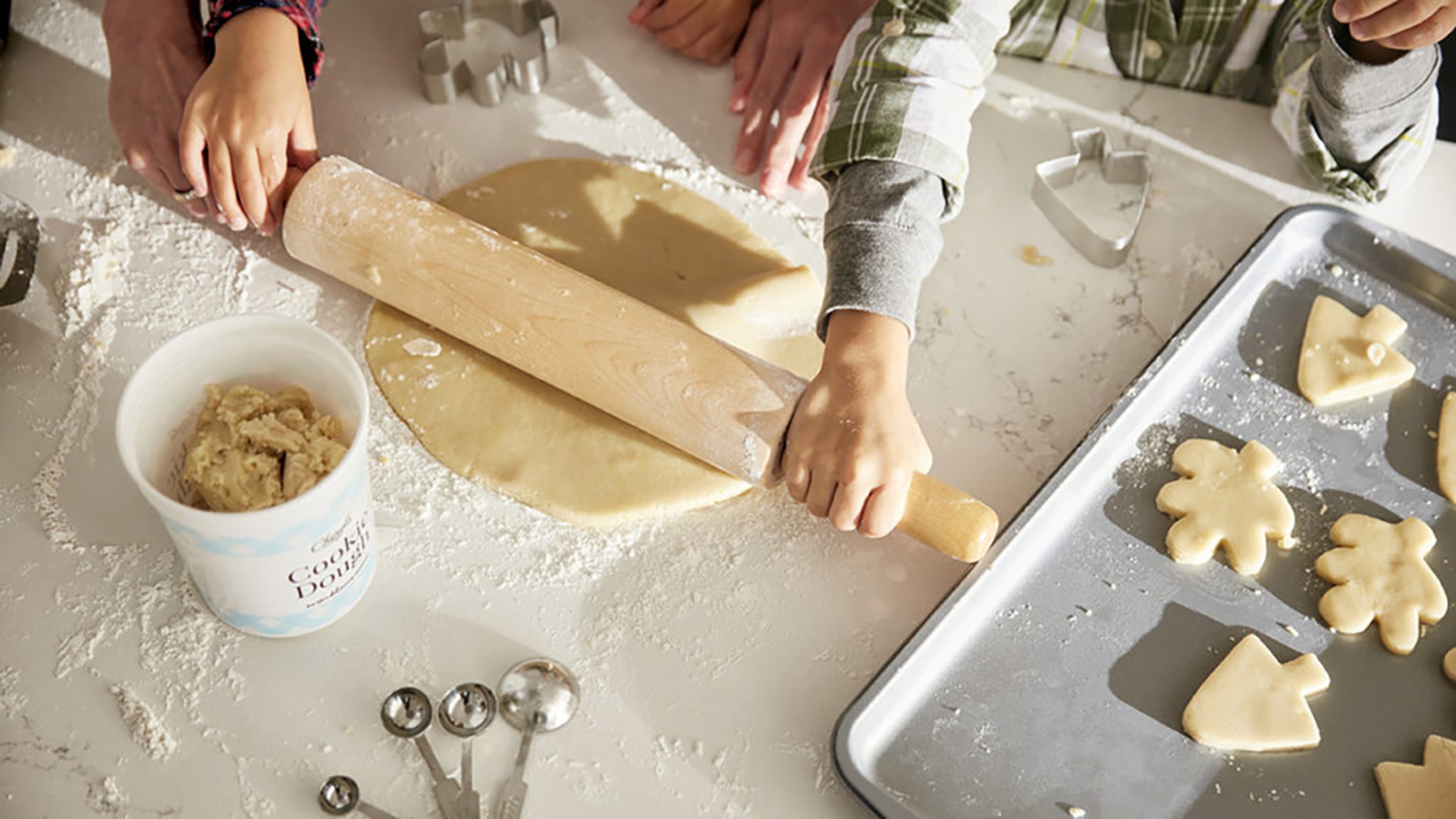
Cookies have long been molded and shaped. Using cookie cutters likely began after Queen Elizabeth I wanted gingerbread made to look like her honored guests. Tin cookie cutters made stamping out little men easier and faster; later versions were made from aluminum, plastic, and copper.
Frosting vs. icing: how cookie decorating began
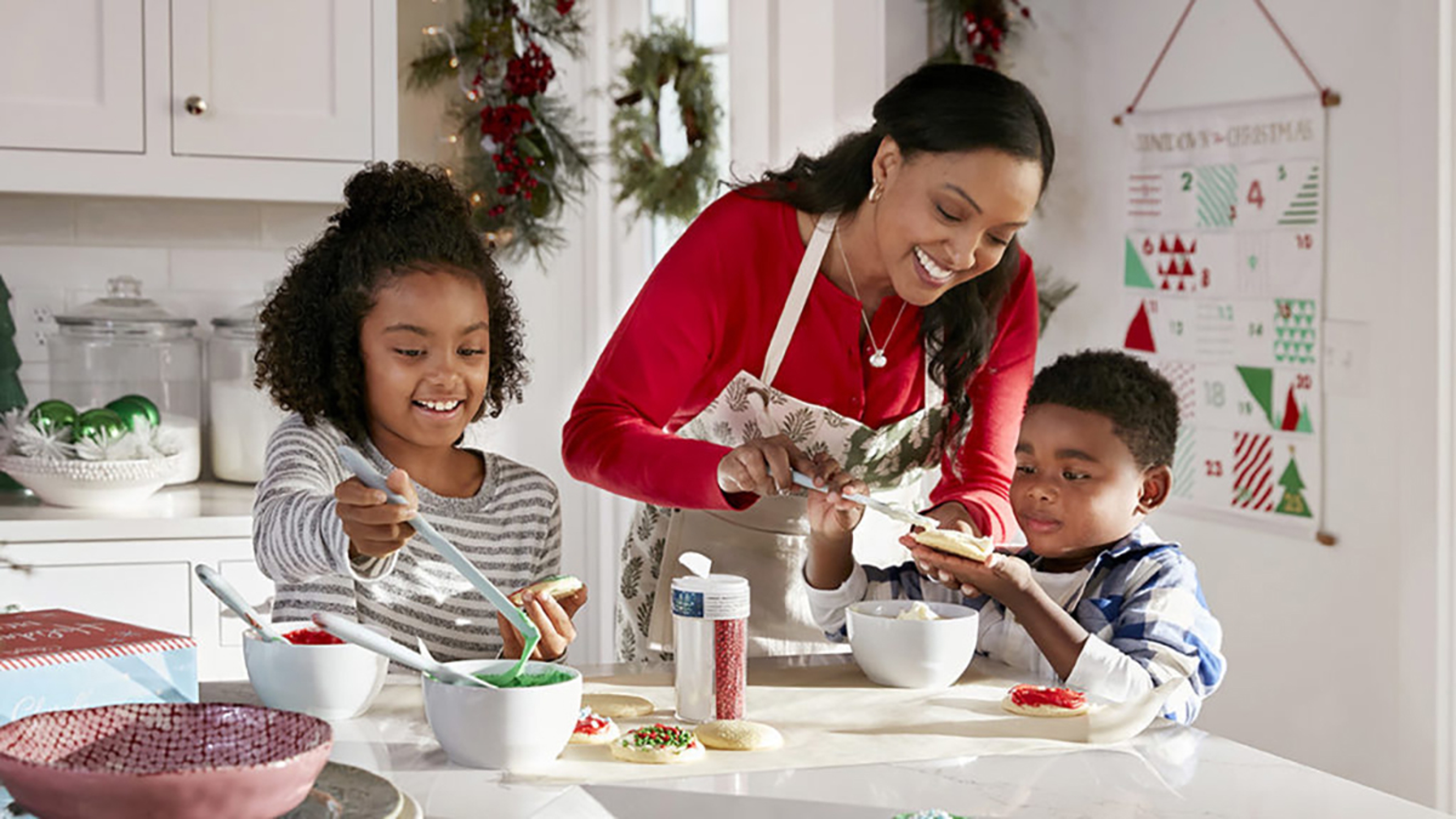
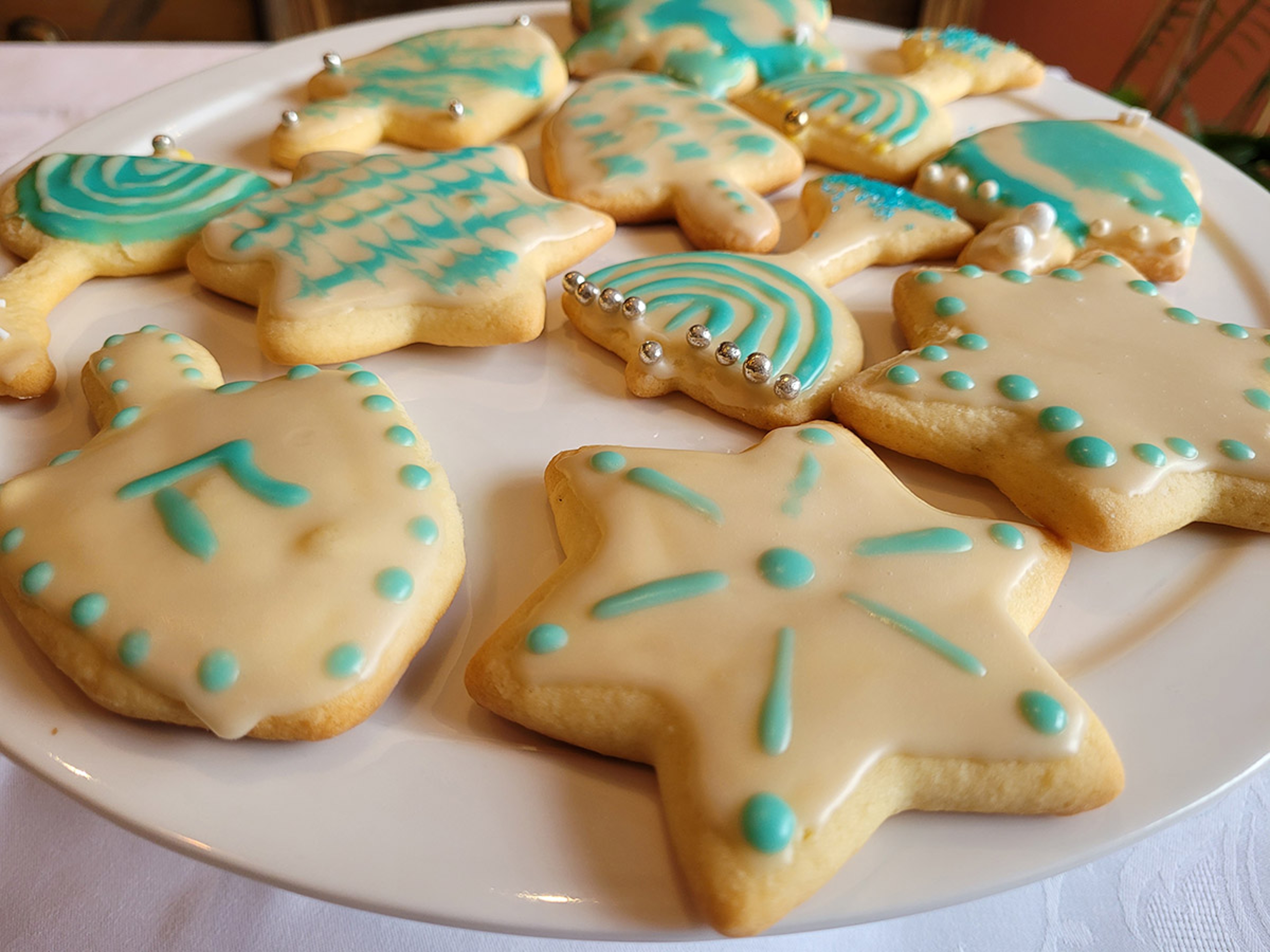
Bakers began decorating treats with a glaze made from sugar and egg whites in the 17th century. Once cooled, the glaze looked like ice, which is why it's now called icing. Today buttercream is an equally common and popular choice on frosted cookies, and it's available in many colors. Whether homemade or ready to use, buttercream makes decorating fun and easy.
How German settlers brought sugar cookies to America
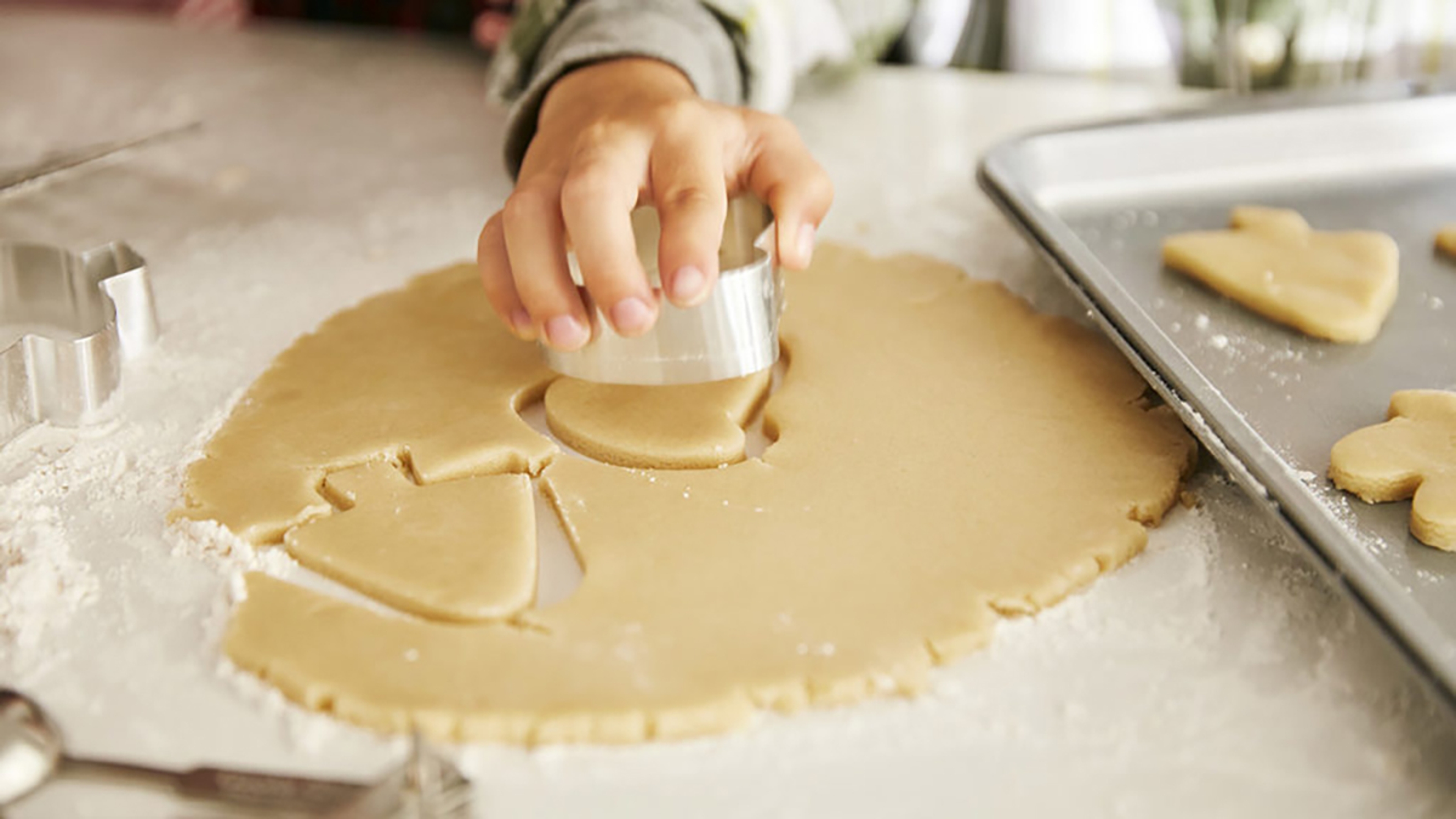
Along with gingerbread, simple sugar cookies are a staple on Christmas dessert trays. This tradition started in the 1700s, when German settlers in Pennsylvania brought over the unleavened, easy-to-store treat from Europe. Sugar cookie dough is pliable and easy to roll and cut into shapes, which adds to its popularity at Christmastime today.
From torte to cookie
Jam-filled sandwich cookies with a cutout on the top, Linzer cookies are popular year-round, but never more so than during Christmas. During this time of year, the traditionally round cutouts on the top cookie are often shaped like Christmas trees instead. Before Linzer cookies, however, came Linzer tortes, originating in Linz, Austria, in the last 1600s. Some believe the cookies came about as a way to use leftover dough from the making of the tortes' lattice tops. They became popular in their own right in 19th-century Europe before being introduced in the U.S. around 1850.
Why we leave cookies out for Santa
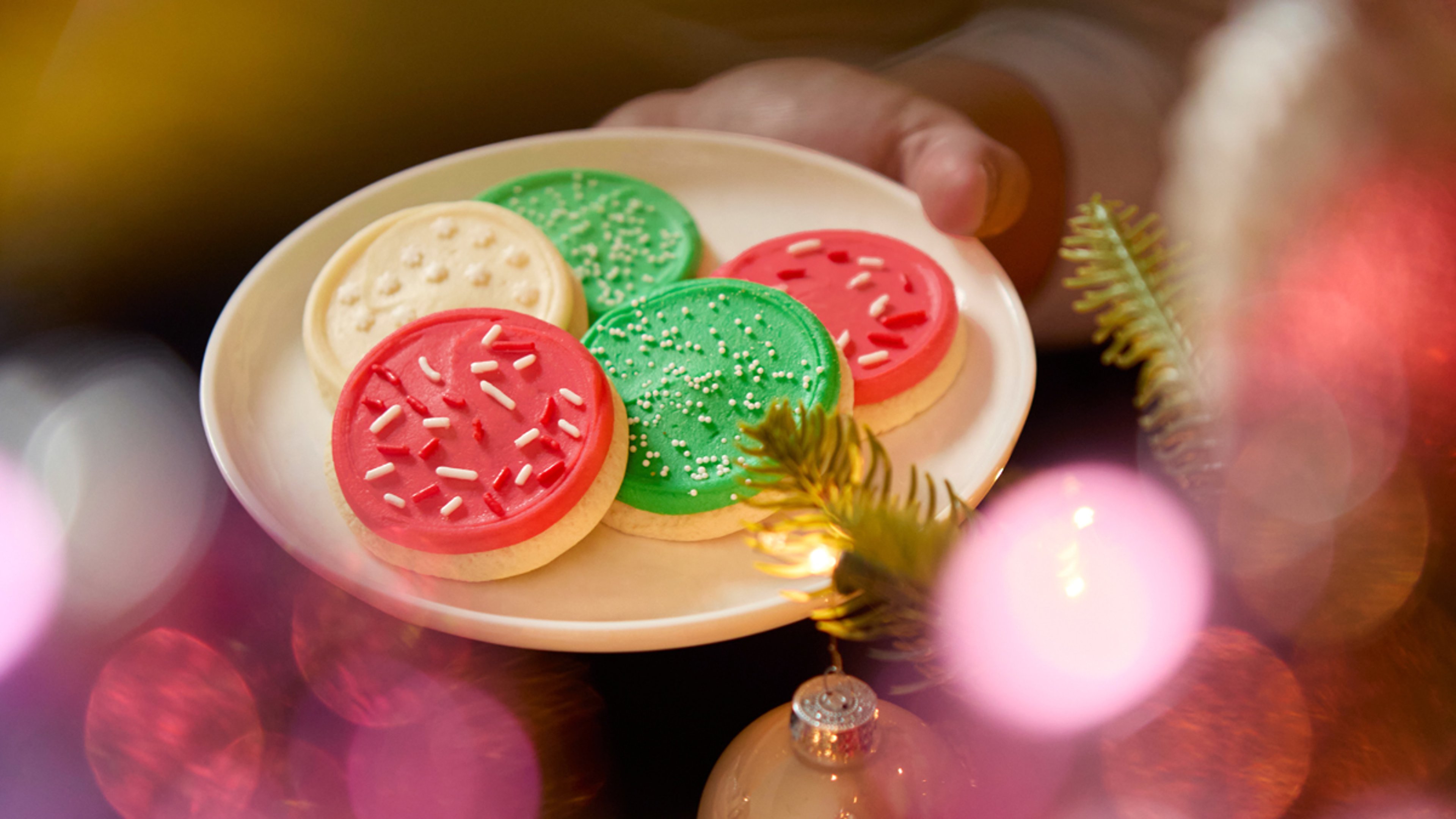
The practice of putting out cookies for Santa began in the 1930s during the Great Depression, when parents were trying to teach children thankfulness. Leaving treats, perhaps in a cookie jar, continues to be a way of sharing the holiday bounty. Some families also leave carrots or apples for Santa's reindeer.
What is the history of Christmas cookies?
Christmas cookies trace back to medieval Europe, when newly available spices such as nutmeg, cinnamon, and ginger were combined with costly butter and sugar for once-a-year holiday baking. German settlers brought sugar cookies to America in the 1700s, and traditions such as leaving cookies out for Santa began in the 1930s.
What are the most traditional Christmas cookies?
Gingerbread and simple sugar cookies are the most traditional Christmas cookies. Both hold their shape when rolled and cut, making them ideal for festive decorating. You can find more inspiration in our roundup of the 50 most popular cookie types.
What's the difference between icing and frosting?
In some parts of the country, "icing" and "frosting" are used interchangeably. Traditionally, however, icing is a mixture of sugar and egg whites that hardens into a smooth, icelike glaze and was first used to decorate baked goods in the 1600s. Frosting, which is thicker and fluffier, came along later; buttercream frosting originated in early 20th-century Germany.