

The Complete History of Gingerbread: Origins, Houses & Fun Facts
Think gingerbread is all about houses? Its story goes much deeper.
Published: Nov 26, 2021 | Modified: Sep 23, 2026
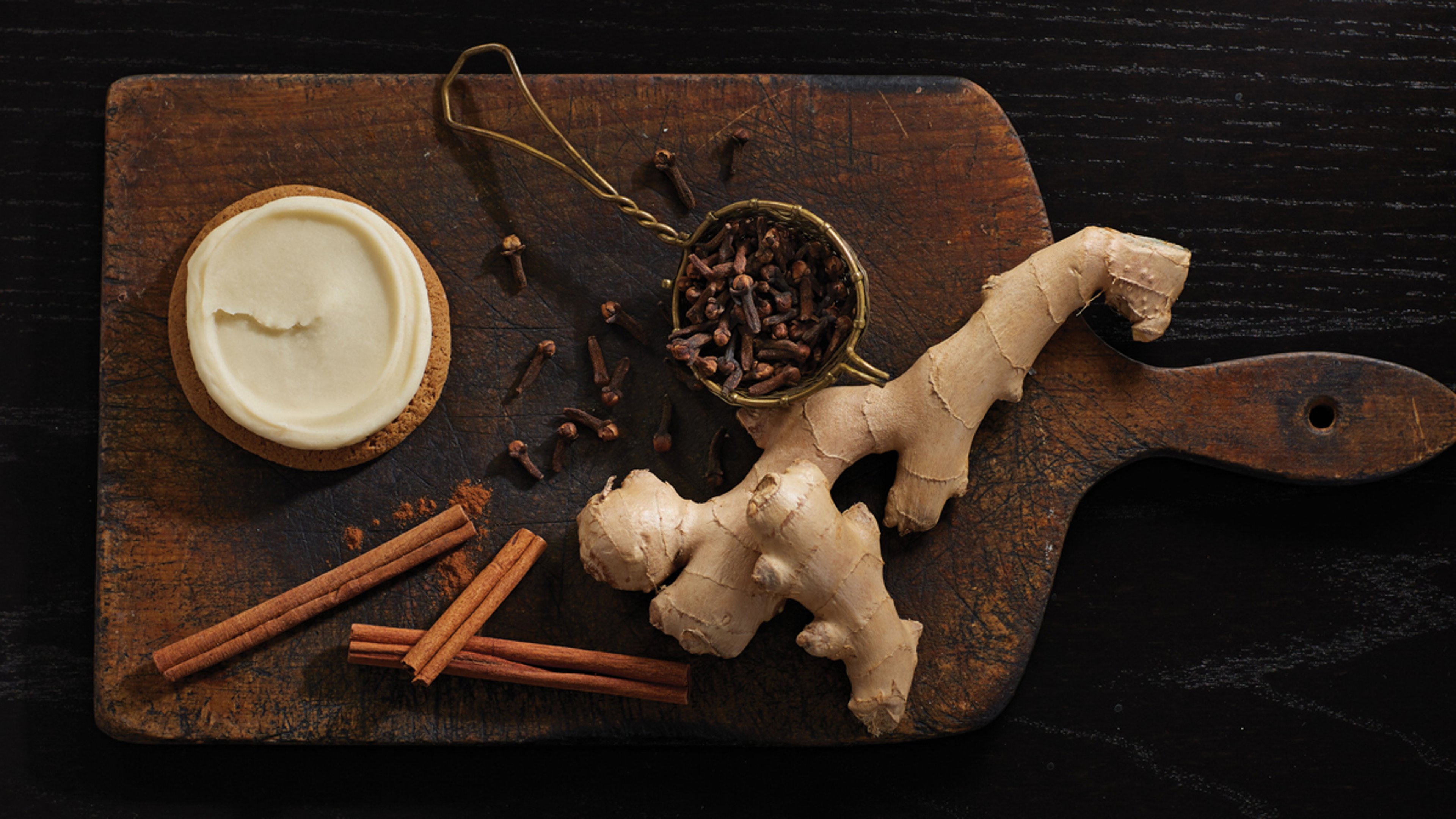
The aroma of freshly baked gingerbread is a common holiday scent. Made with ginger and a sweetener such as honey or molasses, gingerbread dates back to the ancient world through medieval Europe to the decorated houses we build today..
Below, we'll explore the history of gingerbread in its many forms and see why it's become a part of many people's Christmas traditions.
The origins of gingerbread
The word "gingerbread" comes from the Old French gigembras, which means "gingered food." In Middle English, spoken from the 12th through 15th centuries, the term became "gyngebreed," and that evolved into "gingerbread." Today, we use the word to describe a range of baked goods that combine ginger with honey, treacle, or molasses.
Food historians trace the origins of gingerbread back to the ancient Egyptians, who used it for ceremonial purposes. The ancient Greeks followed with the first known recipe for gingerbread around 2400 B.C.
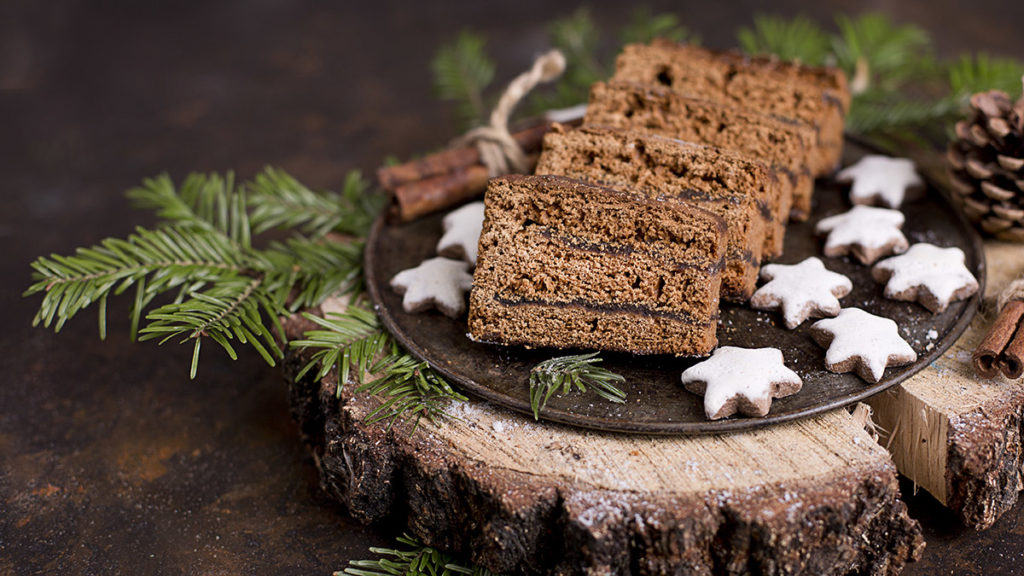
When trade with Asia during the Middle Ages made ginger and other spices accessible to more Europeans, or at least the wealthy ones, the idea of gingerbread spread across the continent. An early European gingerbread recipe involved making a paste of stale breadcrumbs, ground almonds, rosewater, sugar, and ginger.
English recipes of the 16th century replaced the stale breadcrumbs with flour and added honey for a sweeter taste and lighter texture. During this time, cooks sometimes added ginger or crumbled gingerbread to recipes to mask the smell and enhance the taste of preserved meat.
How gingerbread became a decorated treat
Monks from the Middle Ages used gingerbread for decorative designs. They made a paste of breadcrumbs, honey, and ginger, rolled it out, and carved biblical scenes or images of saints before baking. They used these gingerbread treats to feed the hungry and to convey religious stories.

Over time, the custom spread, and gingerbread cookies in the shape of animals, flowers, birds, kings, and queens became common at medieval fairs across Europe. Queen Elizabeth I ordered gingerbread cookies made to resemble the dignitaries visiting her court. These royal cookies often featured gold leaf designs and intricate details, which is why the ornate trim on Victorian-era houses is sometimes called "gingerbread."
The history of gingerbread houses
Historians trace the holiday custom of baking and decorating gingerbread houses to 16th-century Germany. There, elaborately decorated houses with gingerbread walls began appearing in bakery windows.

Historians trace the holiday custom of baking and decorating gingerbread houses to 16th-century Germany. There, elaborately decorated houses with gingerbread walls began appearing in bakery windows.
The Brothers Grimm fairy tale "Hansel and Gretel," published in 1812, reinforced the idea of the gingerbread house. In the story, the two lost children discover a house in the forest built entirely of treats.
Over the decades, gingerbread houses grew larger and larger. In November 2013, a group of volunteers in Bryan, TX, built what was for a long time the world's largest gingerbread house to help raise money for a trauma center at St. Joseph's Hospital. The house, about the size of a tennis court, required 1,800 pounds of butter, 2,925 pounds of brown sugar, 7,200 eggs, 7,200 pounds of all-purpose flour, and 1,080 ounces of ground ginger, among other ingredients. The structure had 10-foot-high walls and featured an edible exterior mounted over a wooden frame.
In December 2025, that record was broken by a replica of the McCallister house from Home Alone to celebrate the movie's 35th anniversary. Measuring 44,838 cubic feet, the gingerbread house used 1,450 pounds of brown sugar, 550 pounds of granulated sugar, 4,263 eggs, and 5,700 pounds of all-purpose flour, along with other edible ingredients.
Gingerbread through time
- Around 2400 B.C.: The ancient Greeks record what is considered the first known gingerbread recipe, following the ancient Egyptians, who used gingerbread for ceremonial purposes.
- The Middle Ages: Trade with Asia brings ginger and other spices to Europe, and monks begin carving decorative designs into their gingerbread.
- 16th century: Germany gives rise to decorated gingerbread houses in bakery windows, and English recipes swap breadcrumbs for flour.
- 1812: The Brothers Grimm publish "Hansel and Gretel," cementing the gingerbread house in the popular imagination.
- 1875: "The Gingerbread Boy" appears in
- 2009: IKEA staff in Oslo, Norway, bake the world's largest gingerbread man at 1,435 pounds.
- 2025: A replica of the house from
Fun gingerbread facts

- Records show that George Washington's mother, Mary Ball Washington, served her home-baked soft gingerbread to the Marquis de Lafayette when he visited her home in Fredericksburg, VA.
- The first known American cookbook,
- According to a Swedish folk tradition, gingerbread man cookies can have magical powers. The custom says to place the cookie, called a
- The second Saturday in December is Gingerbread House Day in the United States.
- Craving a spiced snack with a classic snap? Try Cheryl's Gingersnap Cookies.

Where did gingerbread originate?
Food historians trace the origins of gingerbread back to the ancient Egyptians, who used it for ceremonial purposes, with the ancient Greeks following with the earliest known recipe. It spread across Europe during the Middle Ages once trade with Asia made ginger and other spices available.
What does the word "gingerbread" mean?
The word comes from the Old French gigembras, meaning gingered food. In Middle English it became "gyngebreed," which evolved into "gingerbread." Today it describes baked goods that combine ginger with honey, treacle, or molasses.
Who invented the gingerbread house?
The custom of baking and decorating gingerbread houses traces to 16th-century Germany, where decorated gingerbread houses appeared in bakery windows. The Brothers Grimm fairy tale "Hansel and Gretel," published in 1812, reinforced the gingerbread house in the popular imagination.
AUTHOR

Tricia Drevets has over 15 years of experience as a freelance writer, specializing in topics of interest to small business owners. She also frequently writes about parenting, senior care, and healthy living. When she’s not at her keyboard, you might find her digging in her garden or hiking the trails of Southern Oregon with her golden retriever.